
Nebraska weather can be hard on a home’s exterior. Hail, high winds, heavy rain, snow, freezing temperatures, and strong summer sun can all put stress on siding.
That is why homeowners need siding that can do more than improve curb appeal. James Hardie fiber cement siding is built for long-term exterior performance, making it a strong option for Nebraska homes when installed correctly.
For homeowners considering James Hardie siding in Nebraska, the biggest benefits come down to four things: hail resistance, moisture protection, wind durability, and lower long-term maintenance needs.
At Anchor Roofing, we offer the knowledge, tools, and techniques you need to get the most out of your siding installation experience.
Why Is James Hardie Siding a Good Fit for Nebraska Weather?
Nebraska homes experience major seasonal changes. A siding material needs to handle wet spring storms, hot summer days, freezing winter weather, and sudden temperature changes without losing its ability to protect the home.
Fiber cement siding resists moisture and severe weather while maintaining strength and appearance. James Hardie also uses climate-specific product engineering to help its siding perform in different regions.
For homeowners replacing siding as part of a larger exterior project, siding should also work with the rest of the home’s protective systems.
How Does Fiber Cement Handle Nebraska Hail?
Over the years, severe weather events have cost Nebraska billions of dollars. Hail is one of the biggest reasons Nebraska homeowners should think carefully about siding materials. Large hail can strike walls with enough force to crack, dent, or damage less durable exterior materials.
James Hardie fiber cement siding is designed to withstand severe weather, including hail. While no siding can promise that a home will never experience storm damage, a durable exterior can provide stronger protection against repeated weather exposure.
Hail can also damage more than siding. A storm may affect shingles, flashing, gutters, vents, windows, and other exterior components. After a major storm, homeowners should inspect the entire exterior instead of looking at one material alone.
Why Does Moisture Resistance Matter?
Rain, melting snow, ice, and humidity can create long-term problems when siding allows moisture to reach vulnerable areas of the wall. Moisture can contribute to swelling, rot, mold, and damage behind the siding.
Fiber cement is designed to resist moisture-related damage. Proper installation is still critical because siding must work with flashing, weather-resistant barriers, caulking, and other parts of the wall system to move water away from the home.
For Nebraska homeowners, moisture protection is especially important during freeze-thaw cycles. Water that reaches vulnerable areas can freeze, expand, and create problems over time.
How Does Nebraska Hail History Affect Siding Choices?
Nebraska has a long history of severe hail, making storm protection an important consideration for homeowners. Hail can damage roofs and exterior materials quickly, and some damage may not be easy to see from the ground.
Anchor Roofing recently covered the topic in its piece on the history of hail in Nebraska and its impact on Omaha roofs. The article explains why regular inspections matter and how hail can create problems that become more serious if they are not found early.
The same idea applies to siding. Storm-resistant materials are only one part of protection. Regular inspections help homeowners identify damage before it becomes a larger repair.
Can James Hardie Siding Withstand Strong Nebraska Winds?
Strong winds can pull at siding, loosen materials, and expose weak points around edges and fasteners. Proper installation is just as important as the siding material itself.
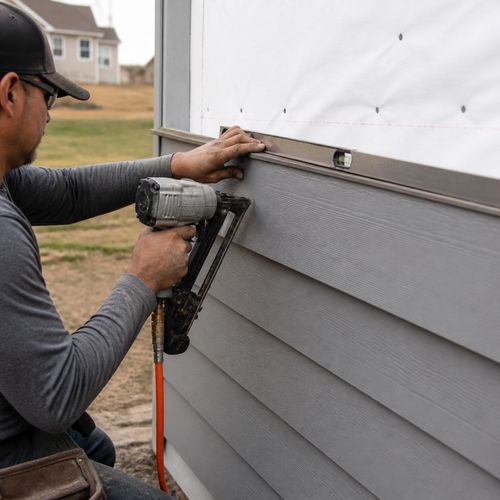
James Hardie provides installation requirements for its products, including fastening methods designed around wind-load conditions. Following those requirements helps the siding perform as intended.
For homeowners, this means choosing both a durable siding product and an experienced installer. Cutting corners during installation can reduce the performance of even a high-quality siding system.
What Happens During Nebraska Temperature Swings?
Nebraska can move from freezing winter conditions to hot summer weather within a matter of months. Those repeated changes can be tough on exterior materials.
Some siding materials can expand, contract, crack, warp, or become brittle as temperatures and moisture levels change. James Hardie designs its fiber cement products for specific climate conditions, helping the material remain stable through seasonal changes.
That stability matters for homeowners who want an exterior that looks good and performs well year after year.
Why Is James Hardie Siding a Lower-Maintenance Choice?
Every siding material needs some care, but homeowners generally want to avoid constant repairs, repainting, or replacement caused by weather exposure.
James Hardie siding is designed to resist moisture, pests, weather damage, and other common exterior problems. Its factory-applied ColorPlus® finishes are also designed to provide durable color with less upkeep than many traditional painted surfaces.
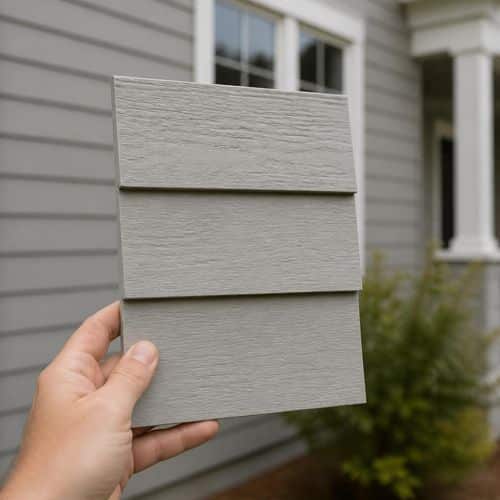
Homeowners should still follow routine care recommendations. Regular cleaning, visual inspections, and prompt repairs can help protect the siding’s appearance and performance.
Why Should You Choose Anchor Roofing for Your Siding Project?
Choosing the right siding is only half the job. Proper installation, attention to weather exposure, and clear communication all affect the final result.
Anchor Roofing brings local experience to exterior projects in the Omaha area and understands the weather conditions that Nebraska homeowners deal with throughout the year. Homeowners can learn about our team before deciding to trust us with their project.
For a siding upgrade, the goal should not be simply to make a home look newer. The goal is to create an exterior that provides lasting protection, strong curb appeal, and fewer maintenance concerns.
What Should Homeowners Look for in a Siding Contractor?
Look for a contractor who can explain the product, installation process, expected maintenance, and how the siding will work with the rest of the exterior.
Homeowners should also ask how the contractor handles storm damage, moisture concerns, trim details, and repairs discovered during installation. Clear answers before work begins can prevent confusion later.
FAQs About James Hardie Siding
Is James Hardie Siding Good for Nebraska Homes?
Yes, James Hardie siding is good for Nebraska homes. James Hardie fiber cement siding is designed to resist moisture and severe weather, making it well suited to climates with rain, snow, freezing temperatures, strong winds, and hail. Nebraska homeowners should still choose the correct regional product and have it installed according to manufacturer requirements. Proper installation and routine maintenance are key to long-term siding performance.
Does James Hardie Siding Resist Hail Damage?
James Hardie siding is designed to withstand severe weather, including hail, but no siding material is completely immune to storm damage. Large or severe hail can affect any exterior surface. After a major storm, homeowners should inspect siding, roofing, gutters, windows, and other exterior components for signs of impact damage that may not be obvious from the ground.
How Much Maintenance Does James Hardie Siding Need?
James Hardie siding is designed as a relatively low-maintenance exterior material. Homeowners should still clean the siding as recommended, inspect it periodically, maintain gutters and drainage, and address damage promptly. Keeping water away from the walls and repairing small issues early can help protect both the siding and the structure behind it.
Can James Hardie Siding Handle Freezing Nebraska Winters?
Yes. James Hardie develops climate-specific siding products for different weather conditions. Its products are designed to resist moisture and perform through challenging seasonal conditions, including freezing temperatures and snow. Proper installation is especially important in cold climates because water management, flashing, fasteners, and other details help prevent moisture from reaching vulnerable areas behind the siding.
Are You Ready To Upgrade Your Home’s Exterior?
If your Omaha-area home needs new siding, storm-damage repairs, or a complete exterior assessment, Anchor Roofing can help you understand your options.
Choose a siding system built for Nebraska weather, install it correctly, and protect your investment for the long term. Contact Anchor Roofing today to get started.