
It depends on the extent of the damage, the age of your roof, and whether repairs can restore its long-term performance. While minor storm damage can often be repaired, widespread damage or an older roof may require a full replacement to protect your home.
After severe weather, Anchor Roofing helps homeowners assess the condition of their roofs and determine the most cost-effective solution. This guide explains when to replace vs. repair a storm-damaged roof and the factors to consider after storm damage.
What Are the Key Factors in Deciding Between Repair and Replacement?
No two storm-damaged roofs are the same. Some can be repaired with minimal work, while others require a full replacement to restore long-term protection. Before making a decision, it is important to evaluate several key factors that affect the roof’s condition, expected lifespan, and overall cost.
A professional inspection from Anchor Roofing can uncover visible and hidden damage, explain your options, and help you make an informed decision. Here are the key factors that determine whether roof repair or roof replacement is the better choice after a storm.
What Does the Extent and Location of Damage Tell You?
Small areas of damage are often repairable. A few missing shingles or minor flashing problems usually do not require replacing the entire roof.
However, replacement may be the better choice when damage includes:
- Large sections of missing shingles
- Multiple roof leaks
- Structural damage
- Widespread hail impacts
- Water damage beneath the shingles
If damage affects several parts of the roof, repairs may only delay larger problems.
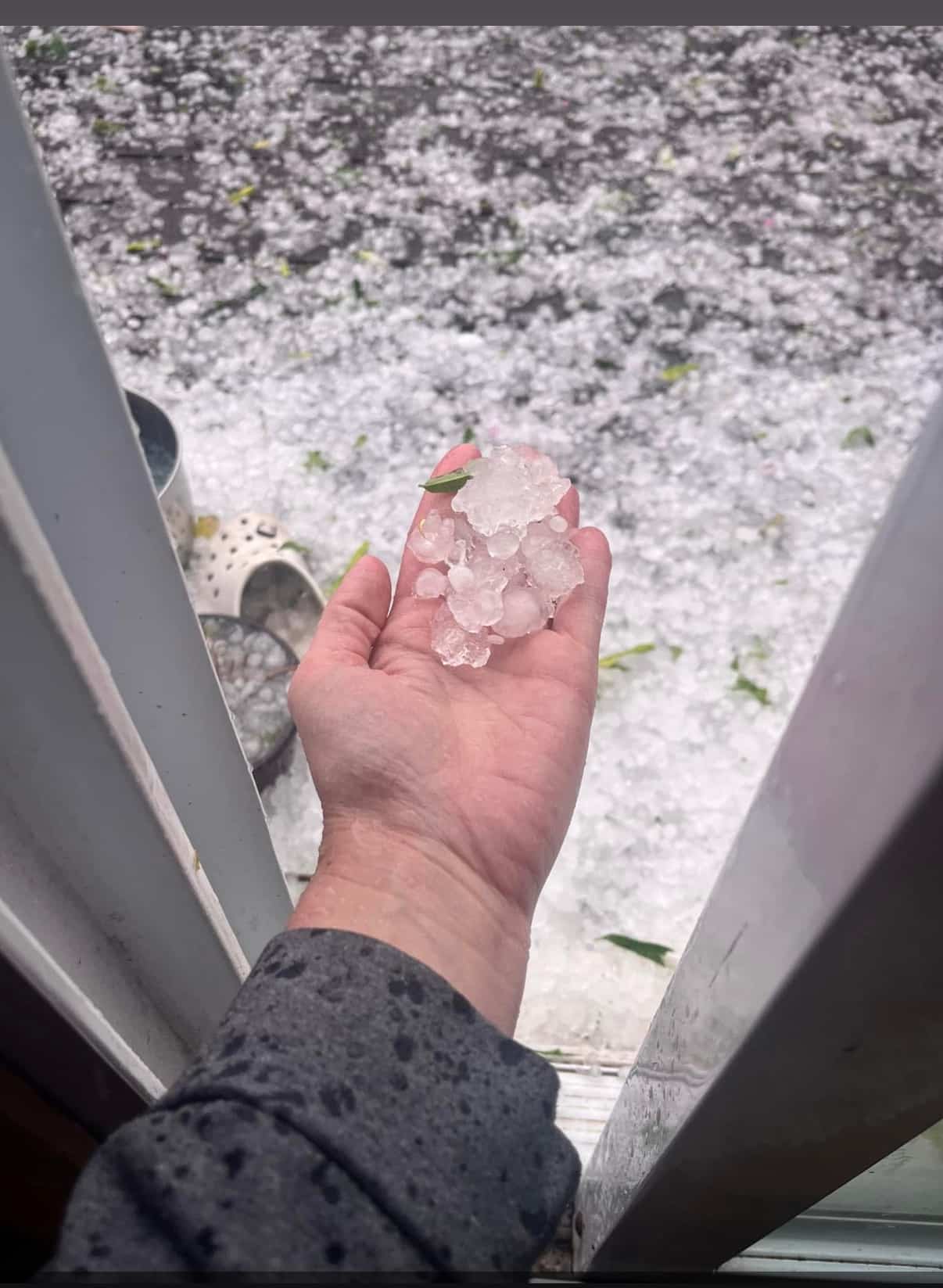
How Does Roof Age Affect the Decision?
The age of your roof matters almost as much as the storm damage itself. Most asphalt shingle roofs last between 20 and 30 years. If your roof is already near the end of its expected lifespan, investing in major repairs may not make financial sense.
A newer roof with isolated storm damage can often be repaired successfully.
Is Repair Always Less Expensive?
Repairs usually cost less upfront. But repeated repairs can become more expensive than replacement over time.
Before making a decision, compare:
- Current repair costs
- Future repair needs
- Remaining roof lifespan
- Potential energy savings from a new roof
- Warranty coverage
If repairs approach a large percentage of replacement costs, replacing the roof often provides better long-term value.
Will Insurance Help Cover the Damage?
Many homeowners insurance policies cover storm damage when caused by hail, wind, or falling debris.
Insurance companies typically evaluate:
- Cause of damage
- Roof age
- Maintenance history
- Severity of damage
Knowing what to do after a storm is crucial. Anchor Roofing can help document storm damage and provide detailed inspection reports that support the insurance claims process.
What Factors Affect the Cost of Replacing vs. Repairing a Storm-damaged Roof?
With 40-60 thunderstorms every year in Omaha, your roof has plenty of chances to be put through the wringer. Understanding the cost of repairing or replacing a storm-damaged roof starts with knowing what influences the final price. Every roofing project is different, and costs can vary based on the condition of the roof, the extent of the damage, and the work needed to restore your home’s protection.
Several factors affect pricing, including the size of the roof, roofing materials, labor, accessibility, ventilation upgrades, and whether hidden storm damage is discovered during the project. Comparing these factors can help homeowners make an informed decision between repairing a damaged roof and investing in a full replacement.
What Are the Pros and Cons of Roof Repair?
Roof repairs are often the best option when storm damage is limited, and the rest of the roof is still in good condition. They can restore your roof’s protection without the cost of a full replacement.
Benefits of roof repairs include:
- Lower upfront cost
- Faster completion
- Less disruption to your home
- Can extend the life of your roof
Repairs are most effective when the roof is structurally sound and the damage is isolated.
Possible drawbacks include:
- Older materials may continue to wear out
- New shingles may not match the existing roof
- Additional repairs may be needed later
- Warranties are often more limited than with a full replacement
A professional inspection can help determine whether a repair is a reliable long-term solution or if replacing the roof will provide better value.
What Are the Pros and Cons of Roof Replacement?
A full roof replacement is often the best solution when storm damage is widespread, or your roof has reached the end of its lifespan. While it requires a larger investment upfront, it provides long-term protection and can reduce the need for future repairs.
Benefits of roof replacement include:
- Brand-new roofing system
- Stronger protection against future storms
- Improved energy efficiency
- Increased home value
- Long manufacturer warranties
A new roof also gives homeowners greater peace of mind, knowing their home is better protected during future severe weather.
Possible drawbacks include:
- Higher upfront cost
- Longer installation time
- A larger insurance deductible in some cases
Although replacement costs more initially, it can provide better long-term value by reducing maintenance, preventing recurring repairs, and extending the life of your home’s roofing system.
What Does a Roofer Look for During an Inspection?
A professional roof inspection does more than look for missing shingles. It helps identify both visible and hidden storm damage so you can make the right decision around whether to replace vs. repair a storm-damaged roof.
During an inspection, the Anchor Roofing team carefully evaluates:
- Shingles
- Flashing
- Roof decking
- Gutters
- Ventilation
- Chimneys
- Skylights
- Attic moisture
- Water stains
- Soft spots
Some storm damage cannot be seen from the ground. Moisture trapped beneath shingles can slowly damage the roof decking, insulation, and even your home’s ceilings. Finding these hidden issues early helps prevent more expensive repairs and protects your home over the long term.
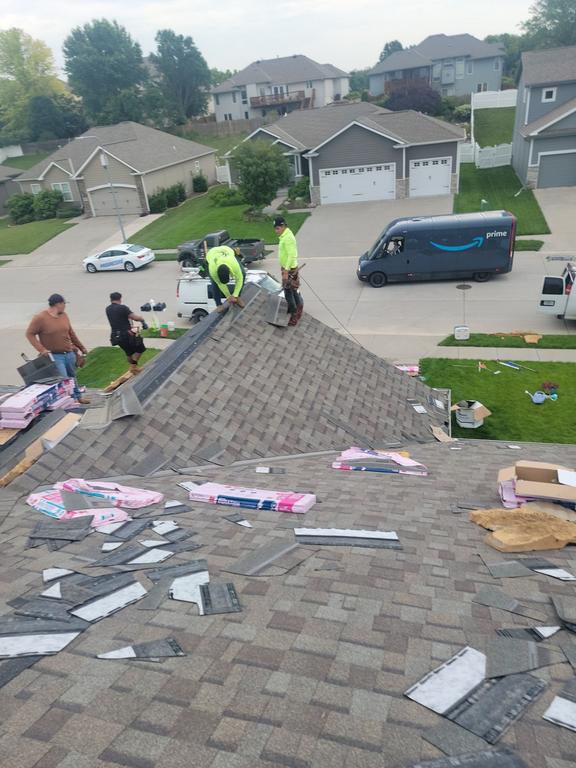
Case Studies: Recent Repair vs. Replace Decisions
Every storm affects a roof differently. The best solution depends on the roof’s age, the extent of the damage, and its overall condition, not just what is visible from the ground.
Example One: Localized Wind Damage
A homeowner lost several shingles during a windstorm. The roof was only eight years old, the damage was limited to one area, and no leaks or structural problems were found.
A targeted repair replaced the damaged shingles and restored the roof’s protection, avoiding the cost of a full replacement.
Example Two: Severe Hail Damage
Another homeowner experienced a major hailstorm that affected the entire neighborhood. The roof was more than 20 years old and showed widespread granule loss, multiple leaks, and damage across several sections.
Because repairs would not provide a long-term solution, a full roof replacement offered better protection and qualified the homeowner for a new manufacturer warranty.
These examples show why a professional inspection is so important. Two roofs can experience similar storms but require different solutions based on their age, condition, and the severity of the damage. Knowing the extent of the damage can help you decide whether to replace vs. repair your storm-damaged roof.
FAQs: How Do I Make the Right Call on Replacing vs. Repairing a Storm-Damaged Roof?
Can a Roof Be Repaired After Every Storm?
Not always. Minor storm damage often qualifies for repairs, but widespread damage, structural problems, or an aging roof may require replacement instead. A professional inspection helps determine whether repairs will provide a safe, long-lasting solution or if replacement offers better protection.
How Soon Should I Schedule an Inspection?
Arrange an inspection as soon as possible after a storm. Small leaks and hidden damage can worsen quickly, allowing water to reach insulation, ceilings, and framing. Early inspections also make documenting damage easier for insurance claims and help prevent additional repair costs.
Will My Insurance Company Decide Whether to Repair or Replace?
Insurance adjusters evaluate the damage and determine what your policy covers. They consider the cause of damage, roof condition, and repair costs. Anchor Roofing can provide detailed documentation that helps support your claim and ensures all storm damage is properly identified.
Is It Better to Replace an Older Roof Instead of Repairing It?
If a roof is close to the end of its expected lifespan, replacement is often the smarter investment. Paying for repeated repairs on aging materials may cost more over time than installing a new roofing system with stronger protection and warranty coverage.
How Do I Know If My Roof Has Hidden Storm Damage?
Some storm damage cannot be seen from the ground. Water can enter beneath shingles without causing immediate leaks inside the home. A professional inspection identifies hidden issues before they lead to structural damage, mold growth, or expensive interior repairs.
Still Not Sure? Book A Free Roof Evaluation
Storm damage is not always easy to spot, and waiting can make small problems much worse. Anchor Roofing provides thorough inspections, honest recommendations, and quality workmanship to help you choose the right solution for your home. They can help you decide whether to replace vs. repair your storm-damaged roof.
Whether you need repairs or are deciding whether to replace or repair a storm-damaged roof, contact Anchor Roofing today to schedule your free roof evaluation and protect your home with confidence.