
Can Impact-Resistant Shingles Lower Your Home Insurance?
Yes, they may help lower your homeowners insurance premium, but there is no universal discount. Insurance companies set their own rules, and some carriers may offer savings for roofs that meet certain impact-resistance standards.
The most important step is to ask your insurance provider before choosing your roofing material. Find out whether your policy offers a discount, which products qualify, and what paperwork your insurer needs.
For homeowners planning a new roof, residential roofing services from Anchor Roofing can help you compare roofing materials based on your home’s condition, your budget, and Omaha’s weather.
What Is an Impact-Resistant Roof?
Impact-resistant roofing is designed to withstand hits from hail, debris, and other impacts. Products are tested for their ability to resist damage, with Class 3 and Class 4 ratings commonly used for residential roofing.
Class 4 is the highest impact rating under the UL 2218 test. Some insurance companies may require a Class 4 product before providing a discount.
How Much Could You Save on Insurance?
There is no standard savings amount. Your discount depends on your insurance company, policy, home, location, and the roofing product you install.
Some homeowners may save hundreds of dollars per year, but you should never assume a discount will cover the added cost of upgraded roofing. Get the discount details from your insurer in writing before making your decision.
Why Should Omaha Homeowners Consider Impact-Resistant Roofing?
Omaha homeowners deal with hail, strong winds, and severe storms. A roof built to handle more impact can help reduce the chance of damage when the next storm arrives.
The value goes beyond insurance. A stronger roof may mean fewer repairs, less maintenance, and greater peace of mind over its service life.
What Does Class 3 or Class 4 Mean?
The class tells you how a shingle performed during a standardized impact test. Class 3 and Class 4 products offer more impact resistance than standard shingles, while Class 4 provides the highest rating.
However, a rating is only one part of the decision. Installation quality, ventilation, flashing, underlayment, roof condition, and the complete roofing system also matter.
Are Impact-Resistant Shingles Wind Resistant?
Impact resistance and wind resistance are different performance features. A product can be designed to handle hail while also offering strong wind performance, but homeowners should check both ratings.
For Omaha homes, it makes sense to consider protection against both threats. Products such as Owens Corning Duration and CertainTeed Landmark have been recommended by Anchor Roofing for their wind performance, while certain products also offer impact resistance.
How Can You Choose the Right Storm-Resistant Roof?
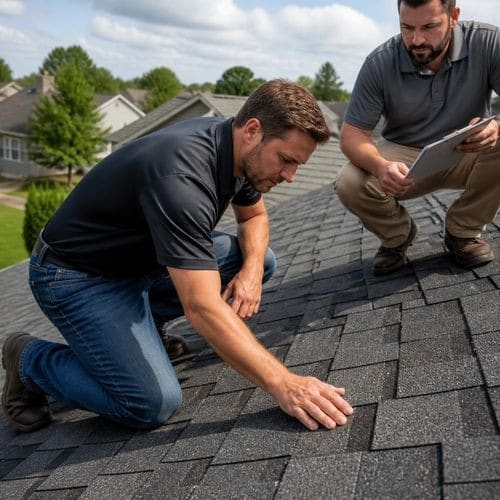
Start with your home’s current condition instead of choosing a product based only on a brand name. A professional inspection can help determine whether you need a repair, a standard replacement, or an opportunity to upgrade your roofing system.
Anchor Roofing has also covered what homeowners should do after severe weather in its guide on what to do after a storm. Acting quickly after a storm in Omaha can help you identify damage before small problems become larger ones.
Should You Upgrade to Class 4 Roofing?
Not always. If your roof is new and performing well, replacing it only to get a possible insurance discount may not make financial sense.
An upgrade can make more sense when your roof is already near the end of its life or needs replacement after storm damage. At that point, the added cost of stronger materials may provide better long-term value.
Should You Replace Your Roof After Every Storm?
No. A storm does not automatically mean you need a new roof. A professional inspection should determine the extent of the damage and whether repair or replacement is appropriate.
Look for missing or lifted shingles, exposed roofing materials, damaged flashing, granule loss, dents, leaks, or damaged gutters. Some hail damage is difficult to see from the ground, so avoid climbing onto the roof yourself.
What Should You Ask Your Insurance Company?
Before upgrading your roof, ask these questions:
- Does my policy offer a discount for impact-resistant roofing?
- Which impact-resistance class qualifies?
- Does the product need a specific testing certification?
- What documentation do you need from my roofer?
- Do I need photos, invoices, or proof of installation?
- Will the discount change my deductible or coverage?
- When will the discount take effect?
Keep the answers with your roofing records. Do not rely on a general promise of savings when making a major roofing investment.
How Can Anchor Roofing Help You Make the Right Choice?
Choosing a storm-resistant roof involves more than picking the toughest shingle on the shelf. You need to balance protection, cost, appearance, insurance requirements, and the age of your existing roof.
Anchor Roofing has experience with storm-resistant roofing products and helps Omaha homeowners understand their options before work begins. You can learn about our team and the experience behind Anchor Roofing’s approach to roofing projects.
What Makes Anchor Roofing Different?
Anchor Roofing focuses on clear communication, quality workmanship, and customer education. The company was established in 2019, with roofing experience dating back to 2001.
That experience helps homeowners understand what their roof needs without guessing. Whether the right answer is repair, replacement, or a material upgrade, the goal is to choose a solution that makes sense for the home.
What Should You Consider Before Buying?
Use this checklist before approving a roofing upgrade:
- Roof age: Is replacement already approaching?
- Storm exposure: Does your home face frequent hail or high winds?
- Impact rating: Does the product meet your insurer’s requirements?
- Wind rating: Is it designed for the weather your home faces?
- Total cost: How much more will the upgrade cost?
- Insurance savings: Has your carrier confirmed the potential discount?
- Installation: Is the contractor licensed, insured, and experienced?
- Warranty: What does the manufacturer and contractor warranty cover?
Looking at all of these factors gives you a better picture of the roof’s long-term value.
Frequently Asked Questions About Impact-Resistant Roofing:
Do All Insurance Companies Offer a Roofing Discount?
No. Insurance discounts vary by carrier and policy, and some insurers may not offer one at all. Others may require a specific impact rating, approved product, professional installation, or documentation before applying a discount.
Always contact your insurance company before purchasing new roofing. Ask which products qualify and what proof they require so you can make an informed decision.
Is Class 4 Roofing Better Than Class 3?
Class 4 provides a higher level of tested impact resistance than Class 3. That can make it a strong choice for homeowners who regularly deal with hail or who want additional protection. However, Class 4 is not automatically the best financial choice for every home. Compare the added material cost with your roof’s age, storm exposure, expected lifespan, and potential insurance savings.
Can a New Roof Lower My Insurance Premium?
It can, but a new roof does not automatically mean a lower premium. Insurance companies consider many factors, including the roof’s age, construction, location, condition, and resistance to certain types of damage. If you install a qualifying roofing product, ask your insurer whether your premium can change. Provide any requested documentation after installation to make sure your roof information is updated.
Should I Install Impact-Resistant Roofing if My Roof is Still New?
Usually, replacing a newer roof only for a potential insurance discount is difficult to justify financially. A better time to consider an upgrade is when your existing roof is already nearing replacement or has significant storm damage. At that point, paying more for stronger materials can provide added protection without replacing a perfectly good roof early.
Are Impact-Resistant Shingles Worth the Extra Cost?
For many homeowners in storm-prone areas, they can be. The value comes from more than a possible insurance discount: stronger roofing may help reduce hail damage, repairs, and premature replacement. The best choice depends on your home, roof condition, budget, and insurance policy. Compare the full cost and long-term benefits before deciding.
Ready to Protect Your Omaha Home?
A stronger roof can mean better storm protection, fewer worries, and possible insurance savings.
If your roof is aging, damaged, or due for replacement, contact Anchor Roofing today to schedule an inspection and discuss the roofing options that make sense for your home.