
Does Siding Affect Home Energy Efficiency?
Yes, siding affects home energy efficiency by helping reduce heat transfer, air leaks, and HVAC strain. Properly installed insulated siding can help Omaha homeowners lower energy bills and improve indoor comfort year-round.
If your energy bills have been creeping up, your siding might be the silent culprit. Many homeowners focus on windows or HVAC systems, but siding plays a big role in how your home holds heat or stays cool.
Siding is not just about curb appeal. It acts as a protective shell that helps insulate and seal your home from outside temperatures. When it’s working well, your home stays comfortable year-round.
Anchor Roofing helps homeowners choose and install siding that performs as well as it looks. With the right materials and proper installation, you can lower energy costs and improve comfort fast.
What Energy Efficiency Really Means for Your Home?
Energy efficiency is about how well your home keeps indoor temperatures stable. This depends on how well heat stays inside during winter and stays out during summer.
R-value measures how well a material resists heat flow. The higher the R-value, the better the insulation. Strong thermal performance means less strain on your heating and cooling systems.
Your home works like a system called the building envelope. This includes siding, insulation, windows, and roofing. When one part fails, energy escapes.
Key concepts to understand:
- Thermal bridging: Heat escaping through weak points in materials
- Air infiltration: Outside air leaks inside through gaps
- Exterior cladding: The outer layer (your siding) that protects everything
Improving siding energy efficiency strengthens your entire home envelope.
How Different Siding Materials Perform
At Anchor Roofing, our team understands that different materials offer different levels of siding energy efficiency. Choosing the right one depends on your climate and budget.
Vinyl Siding
Vinyl siding alone offers limited insulation. However, it is affordable and widely used.
When paired with foam backing, it improves R-value and helps reduce energy loss. It works well in moderate climates.
Fiber Cement
Fiber cement siding is durable and long-lasting. However, it has a low natural R-value.
To improve efficiency, insulation needs to be installed behind it. Its fire resistance adds safety and can lower insurance costs.
Engineered Wood
Engineered wood provides moderate insulation. It handles temperature changes better than natural wood.
You can pair it with rigid foam board for better energy performance. This combination boosts siding energy efficiency significantly.
Insulated Vinyl Siding
This is one of the best options for energy savings. It includes built-in foam insulation for better thermal performance.
Benefits include:
- Strong thermal barrier
- Reduced noise from outside
- Potential energy tax credits
For many homeowners, this is the top choice for improving siding energy efficiency.
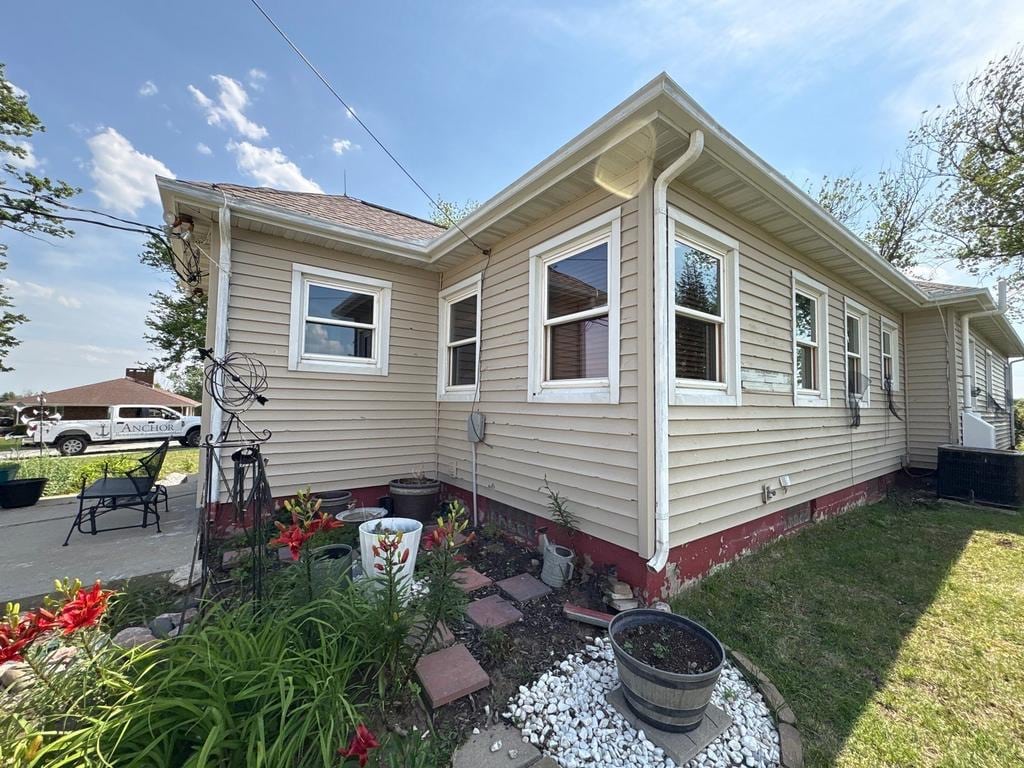
The Role of Installation in Efficiency
Even the best siding will fail if installed poorly. Gaps, cracks, and weak seals let air in and out.
Proper installation includes:
- House wrap for moisture protection
- Flashing around openings
- Tight sealing with caulk
Choosing the right team to install your siding matters just as much as the material. Professional installation ensures your siding performs at its best.
For the best results, consider Anchor Roofing’s expert siding installation. This service focuses on sealing gaps, improving insulation, and maximizing performance.
Key benefits of professional siding services:
- Proper sealing prevents air leaks
- Adding insulation improves R-value
- Long-term durability reduces maintenance
Without expert installation, even the best siding won’t deliver full energy savings. Working with professionals ensures your siding performs at its highest level.
Signs Your Current Siding Is Hurting Your Energy Bill
Old or damaged siding can quietly make your energy bills go up. Most homeowners do not notice until costs start rising.
Your siding should help keep outside air out and indoor air in. When it fails, your home becomes harder to heat and cool.
Common warning signs include:
- Drafts inside your home (especially near walls or corners)
- Uneven room temperatures (some rooms hotter or colder than others)
- Walls that feel hot or cold to the touch, depending on the season
- Rising energy bills with no change in usage
- Visible damage like cracks, warping, or loose panels
- Moisture or mold issues near walls or trim
- Ice dams in winter, which can point to heat loss
These problems often mean your siding is no longer insulating your home properly. Small gaps or damage let air escape, forcing your heating and cooling system to work harder.
If you notice any of these signs, it may be time for a siding inspection. Fixing issues early can help lower energy costs and protect your home long-term.
How to Boost Efficiency During Your Siding Upgrade
Upgrading siding is the perfect time to improve energy performance. Small upgrades can make a big difference.
Here are smart ways to boost siding energy efficiency:
- Add rigid foam board insulation
- Install a high-quality house wrap
- Seal all joints and edges carefully
- Upgrade windows at the same time
These improvements can lower energy bills and increase your home’s value. They also make your home more comfortable year-round.
Is Energy-Efficient Siding Worth the Investment?
Yes, in most cases it is worth it. Energy-efficient siding can potentially provide energy savings of 5% to 30% per year.
Beyond savings, you gain:
- Better indoor comfort
- Less outside noise
- Higher resale value
Over time, the investment pays for itself. Homebuyers also value energy-efficient upgrades, making your home easier to sell.
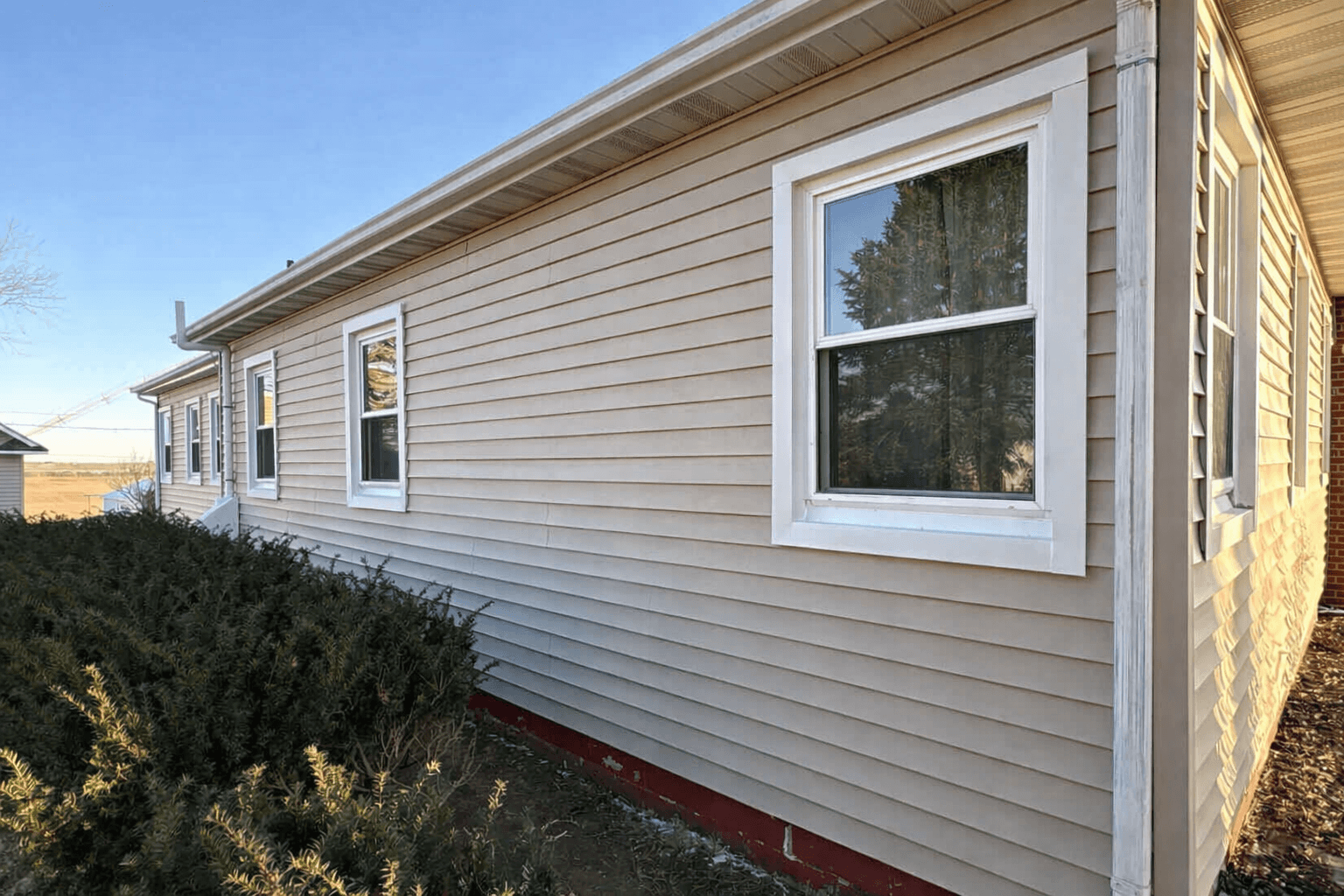
Why Trust Our Team for Siding Solutions?
Experience ensures your siding works as intended. At Anchor Roofing, our team is dedicated to relentlessly delivering quality results. Our focus on detail helps maximize siding energy efficiency.
With the right team, your siding upgrade becomes a long-term investment in comfort, savings, and increased home value.
FAQs on Siding Energy Efficiency
Does Siding Improve Energy Efficiency?
Yes, siding plays a major role in energy efficiency. It acts as part of your home’s outer shell, helping to reduce heat loss and air leaks. When combined with proper insulation and installation, siding can significantly lower energy bills. Upgrading to insulated siding can further improve comfort and reduce strain on your HVAC system.
What’s the Most Energy-Efficient Siding?
Insulated vinyl siding is often the most energy-efficient option. It includes built-in foam insulation that increases R-value and reduces thermal bridging. This type of siding also helps block outside noise and improve indoor comfort. When installed properly, it offers one of the best returns on investment for homeowners.
Is Insulated Siding Worth the Cost?
Insulated siding is usually worth the investment for long-term savings. While it costs more upfront, it can reduce energy bills by up to 20%. It also improves comfort and increases home value. Many homeowners find that the benefits outweigh the initial cost over time.
How Do I Know If My Siding Is Inefficient?
Signs of inefficient siding include drafts, uneven indoor temperatures, and rising energy bills. You may also notice visible damage, like cracks or warping. If your home feels too hot in summer or too cold in winter, your siding may not be performing well. A professional inspection can confirm the issue.
Can New Siding Increase Home Value?
Yes, new siding can boost your home’s value significantly. Buyers are attracted to energy-efficient upgrades that lower utility costs. Modern siding also improves curb appeal, making your home more appealing on the market. It’s one of the most effective exterior upgrades for both comfort and resale.
Get a Free Siding Energy Assessment Today
If your energy bills are rising, now is the time to act. A siding upgrade can make a big difference fast.
Anchor Roofing offers expert guidance tailored to the local Omaha climate. Our team helps you choose materials and installation methods that deliver real results.
Take the next step toward lower bills and better comfort. Contact Anchor Roofing today to schedule your assessment and start improving your siding’s energy efficiency.