
How Do I Know If Fiber Cement vs Vinyl Siding Is Better?
When it comes to exterior upgrades, choosing between fiber cement vs vinyl siding is one of the most common decisions homeowners face. Both materials are popular, durable, and widely available, but they differ in cost, performance, and long-term value. Understanding these differences helps you make a confident choice for your home and your budget.
At the beginning of your siding journey, working with a trusted local contractor like Anchor Roofing ensures you get clear guidance, honest recommendations, and a smooth, stress-free experience from start to finish.

Siding Installation Services for Omaha Homes
Professional installation plays a significant role in how long your siding lasts and how well it protects your home. Anchor Roofing provides expert siding installation services tailored to Nebraska’s weather conditions, including high winds, temperature swings, and seasonal storms.
Proper installation helps ensure:
- Tight seams and secure fastening
- Moisture protection behind the siding
- Clean, polished curb appeal
No matter which siding material you choose, quality workmanship makes all the difference.
What’s the Difference Between Fiber Cement and Vinyl Siding?
Before comparing cost and performance, it helps to understand what each material is made of and how it functions.
What Is Fiber Cement Siding?
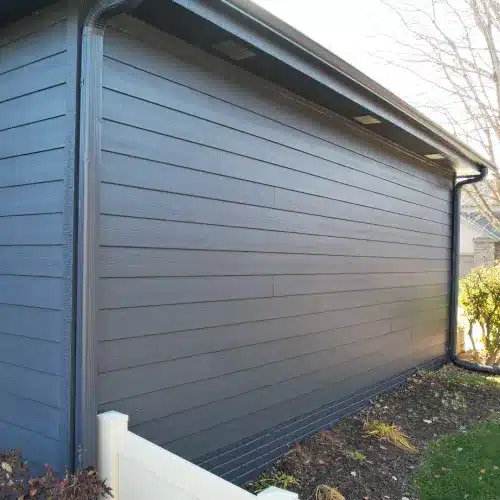
Fiber cement siding is made from a blend of cement, sand, and cellulose fibers. It is designed to mimic the look of wood while offering superior durability.
Key features include:
- Heavy, solid construction
- Strong resistance to fire and pests
- Excellent performance in harsh weather
Fiber cement is often associated with long-term value and a more upscale appearance.
What Is Vinyl Siding?
Vinyl siding is made from PVC plastic and is known for its affordability and low maintenance. It’s one of the most commonly used siding materials in the U.S.
Key features include:
- Lightweight and flexible panels
- Wide range of colors and styles
- Easy upkeep with minimal maintenance
Vinyl siding is often chosen for budget-friendly exterior upgrades.
Fiber Cement vs Vinyl Siding Cost Comparison
Pricing is one of the most significant deciding factors when comparing fiber cement vs vinyl siding.
Average Cost of Fiber Cement Siding
Fiber cement siding typically costs more per square foot due to material weight and labor requirements. Homeowners often view it as a long-term investment that pays off in durability and resale value. That said, fiber cement siding ranks high in return on investment.
Average Cost of Vinyl Siding
Vinyl siding generally offers a lower upfront cost, making it accessible for many homeowners. Installation is faster, which also helps reduce labor expenses. These features mean vinyl siding remains one of the most cost-effective exterior cladding options available today.
Actual pricing for both options depends on home size, layout, and material grade, so professional estimates are essential.
Which Siding Performs Better in Nebraska Weather?
Omaha homes face strong winds, hail, snow, and hot summers, making durability a top concern. With this in mind, it’s important to note that:
- Fiber cement performs exceptionally well against wind and fire
- Vinyl siding resists moisture but may be more vulnerable to impact damage
Choosing the right siding often comes down to balancing weather performance with budget comfort.
Learn More About Your Siding Options
If you’re still weighing your choices, Anchor Roofing offers an in-depth resource that covers a wide range of materials. Their ultimate guide to siding types for homes breaks down additional options, styles, and considerations to help you compare confidently.
A Team You Can Trust for Honest Guidance
Choosing siding isn’t just about materials—it’s about the people installing it. Anchor Roofing is known for its high level of communication, attention to detail, and focus on a smooth customer experience.
When you work with our team, you can expect:
- Clear timelines and expectations
- Respect for your home and family
- Guidance tailored to your goals and budget
This people-first approach builds trust long after the project is complete. We invite you to learn more about our team and the way we do business.
FAQs About Fiber Cement vs Vinyl Siding
Which Type of Siding Lasts Longer?
Fiber cement siding typically offers a longer lifespan, often lasting 30 to 50 years when properly installed and maintained. Its resistance to fire, pests, and severe weather helps it hold up well over decades. Vinyl siding generally lasts 20 to 30 years, depending on climate exposure and material quality. While both are durable, fiber cement is usually the better choice for homeowners prioritizing long-term performance.
Is Fiber Cement Siding Worth the Extra Cost?
For many homeowners, fiber cement is worth the higher upfront investment because of its durability, strength, and curb appeal. It tends to require fewer repairs over time and can add value to the home, which is helpful if you plan to sell in the future. Homeowners who plan to stay in their home long term often view fiber cement as a cost-effective option, considering the siding’s lifespan as a whole rather than the initial price alone.
Does Vinyl Siding Require Maintenance?
Vinyl siding is considered low maintenance, but it is not completely maintenance-free. Occasional cleaning with water or mild detergent helps prevent the buildup of dirt, mold, and mildew. While it doesn’t require painting, vinyl can fade over time, especially on the sides of the home with heavy sun exposure. Regular inspections can also help catch cracks or loose panels early.
Can Siding Help Improve Energy Efficiency?
Siding itself does not act as insulation, but when installed with proper underlayment or insulated backing, it can contribute to improved energy efficiency. Quality installation helps reduce air leaks and moisture intrusion, which can support consistent indoor temperatures. Both fiber cement and vinyl siding can contribute to energy performance when paired with sound insulation and professional installation practices.
Which Siding Looks More Like Real Wood?
Fiber cement is widely known for its ability to mimic the look of real wood siding closely. It offers deeper textures, sharper edges, and a more authentic painted finish. Vinyl siding has improved over the years and is available in many styles, but it typically has a smoother, more uniform appearance. Homeowners looking for a classic or high-end look often prefer fiber cement for its realism.
Ready to Choose the Right Siding for Your Home?
If you’re deciding between fiber cement vs vinyl siding, expert guidance can make the process easier and less stressful. Anchor Roofing helps Omaha homeowners choose siding solutions that balance durability, appearance, and long-term value.
Contact us online to schedule a consultation and take the next step toward protecting and enhancing your home with confidence.