
Why Does Proper Asphalt Shingle Storage Matter After Roof Installation?
Keeping extra shingles only helps if they stay usable. If they are damaged while sitting in your garage or shed, they may no longer match your roof or perform properly.
Proper asphalt shingle storage helps protect your investment. Anchor Roofing recommends storing leftover shingles correctly so they stay in good condition. When storm damage or a small repair happens, matching shingles that are still in good shape can make the repair faster and more effective.
What Happens When Shingles are Stored Incorrectly?
After a new roof is installed, many homeowners keep extra shingles for future repairs. That is a smart idea, but how those shingles are stored matters. Poor asphalt shingle storage can cause them to warp, crack, lose their seal, or become unusable long before they are needed.
If you ever need professional roof repair or replacement, having well-preserved leftover shingles can simplify repairs and help maintain your roof’s appearance. Improper storage can lead to several problems, including:
- Warping from heat exposure
- Moisture damage that weakens materials
- Broken corners from stacking too high
- Seal strip damage that affects installation
- Color fading caused by direct sunlight
These issues may make leftover shingles impossible to use if repairs become necessary.
Why Keep Leftover Shingles?
Extra shingles provide several benefits:
- Better color matching during repairs
- Faster repair scheduling
- Lower repair costs
- Protection if a specific shingle style is discontinued
Anchor Roofing encourages homeowners to save a reasonable number of shingles after every roof replacement.

What Are The Common Storage Mistakes Homeowners Should Avoid?
Many storage problems happen because homeowners simply do not know the best way to protect roofing materials. Small
mistakes can cause permanent damage.
Understanding how to plan for a new roof, as well as the storage needs that may arise from this upgrade, helps homeowners stay organized and reduce stress during the project.
Can Heat Damage Stored Shingles?
Yes. High temperatures soften the asphalt inside the shingles. Over time, excessive heat may cause them to bend, stick together, or lose their shape.
Avoid storing shingles in:
- Attics
- Metal sheds without ventilation
- Areas near furnaces
- Spaces that become extremely hot during summer
- A cool, dry garage is usually a much better choice.
Does Moisture Ruin Asphalt Shingles?
Moisture is one of the biggest threats to stored shingles. When water gets into packaging, it can soak into the materials, encourage mold growth, and gradually weaken the shingles before they are ever installed. In humid conditions, this process can happen even faster.
In 2025, increased summer humidity in Nebraska made proper storage even more important, as prolonged exposure to moisture can lead to early shingle deterioration and reduced performance once installed.
Always keep bundles off concrete floors. Use pallets or shelves to improve airflow and reduce moisture exposure for your asphalt shingle storage.
Is Sunlight a Problem?
Yes. Direct sunlight heats shingles and exposes them to ultraviolet rays. Over time, this may cause fading and shorten their usable life. Store shingles in a shaded indoor location whenever possible.
What Are the Best Practices for Storing Leftover Asphalt Shingles?
The goal is simple: keep shingles clean, dry, flat, and protected.
Anchor Roofing recommends following a few straightforward storage habits that help preserve materials until they are needed.
Should Shingles Stay in Their Original Packaging?
Yes. The original wrapper protects from dust, dirt, and minor moisture exposure. If the packaging is damaged, cover the bundles with a breathable tarp rather than plastic wrap that traps moisture.
Should Bundles be Stored Flat or Standing Up?
Bundles should always remain flat. Standing bundles on edge increases the risk of bending. Bent shingles may never return to their original shape.
Stack bundles evenly and avoid creating tall piles that put too much weight on the bottom bundles.
What is the Best Storage Location?
The best storage area is:
- Dry
- Covered
- Well ventilated
- Away from direct sunlight
- Protected from freezing and excessive heat
Many homeowners choose a garage, basement, or climate-controlled storage room.
How Long Can Leftover Shingles be Stored?
When stored properly, many shingles remain usable for several years. Their condition depends more on the storage environment than on their age.
Inspect stored shingles before using them for repairs. If they are cracked, curled, warped, or damaged, they should not be installed.
How Can You Tell If Stored Shingles Are Still Usable?
Check for these signs:
- Flat shape
- Flexible material
- Intact seal strips
- No mold or mildew
- No broken corners
- Original color remains consistent
If any major damage is present, replacing the damaged section with new materials may be the better option.
Why Does Professional Guidance Matter?
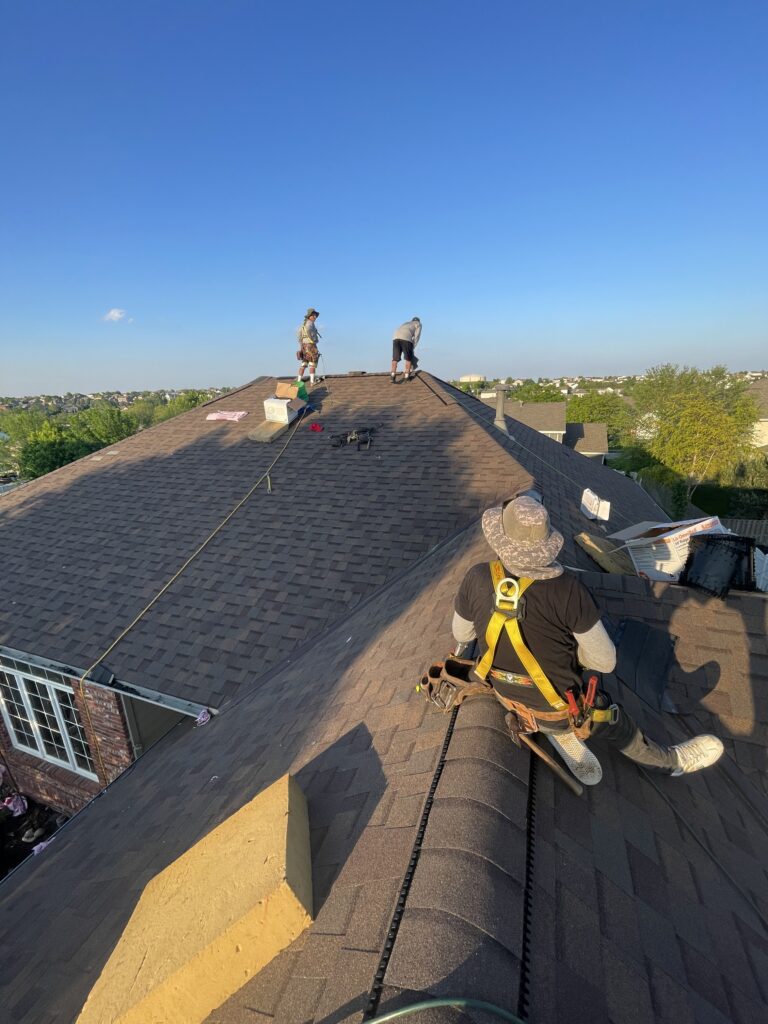
Even when homeowners keep extra shingles, every repair should begin with an inspection. Roof damage is not always limited to the missing or damaged shingles.
Anchor Roofing evaluates the entire roofing system before recommending repairs. This helps identify hidden issues before they become expensive problems.
At Anchor Roofing, our team is dedicated to helping homeowners protect their roofs with dependable inspections and quality workmanship.
Should Homeowners Install Stored Shingles Themselves?
Small repairs may look simple, but roofing work involves more than replacing a few shingles.
Improper installation can create leaks, reduce wind resistance, and void manufacturer warranties. Professional installation helps ensure repairs perform as intended.
Simple Storage Checklist
Follow these steps after every roof replacement:
- Keep bundles indoors.
- Store them flat.
- Raise them off the floor.
- Avoid heat and direct sunlight.
- Protect them from moisture.
- Leave them in the original packaging.
- Inspect them before future use.
These simple habits help maximize the value of your leftover roofing materials.
FAQs About Asphalt Shingle Storage
How Many Extra Shingles Should I Keep?
Most homeowners should keep one or two unopened bundles after a roof replacement. This is often enough for small repairs caused by wind, hail, or fallen branches. Keeping a few matching shingles can make future repairs easier while maintaining the appearance of your roof.
Can I Store Shingles Outside?
Outdoor storage is not recommended for long-term protection. Even under a tarp, changing temperatures and moisture can damage the bundles. A dry indoor space with stable conditions offers much better protection and helps preserve the shingles for future repairs.
Will Stored Shingles Match My Roof Years Later?
If stored properly, leftover shingles usually provide a much closer color match than new shingles. Weather and sun exposure naturally change the color of the shingles already on your roof, so having original extras is often the best option.
Should I Throw Away Damaged Leftover Shingles?
If shingles are cracked, warped, moldy, or have damaged seal strips, they should not be installed. Using damaged materials may shorten the life of the repair and increase the chance of leaks or future roofing problems.
Can Anchor Roofing Inspect My Stored Shingles?
Yes. Anchor Roofing can inspect stored shingles during a roof evaluation. The team can determine whether they remain suitable for repairs and recommend the best solution if replacement materials are needed.
Protect Your Roof With Expert Help
Keeping leftover shingles in good condition is a simple way to prepare for future repairs. Proper storage protects your investment and helps maintain your home’s appearance if damage ever occurs.
When you need trusted roofing guidance, contact Anchor Roofing to schedule an inspection and get expert recommendations tailored to your roof.