
Yes, Cold Weather Causes Multiple Roofing Issues
Cold winters can be harsh on any roof, but Nebraska’s climate creates unique risks homeowners shouldn’t ignore. Cold weather roof damage Nebraska often happens slowly, making problems easy to miss until spring storms arrive. That’s why local experience matters when protecting your home.
For trusted local guidance, homeowners across the Omaha metro area rely on Anchor Roofing for clear communication, thorough inspections, and dependable service.
Yes, cold weather can damage your roof in several ways, especially during long Nebraska winters. Freezing temperatures affect shingles, flashing, ventilation systems, and even the structure beneath your roof. Many issues stay hidden until warmer weather exposes leaks or interior damage.
Understanding these risks early helps homeowners avoid costly repairs later.
The Most Common Winter Roofing Problems in Nebraska
What Is Freeze-Thaw Cracking?
Freeze-thaw cracking occurs when moisture seeps into tiny gaps or imperfections in your roof. During Nebraska winters, daytime melting followed by overnight freezing causes that moisture to expand repeatedly. Over time, this pressure widens cracks in shingles, flashing, and sealants.
This type of damage often develops slowly and quietly. Homeowners may not notice a problem until spring rains reveal leaks or interior staining. Roofs that are already aging or have minor wear are especially vulnerable to freeze-thaw cycles.
Why Do Ice Dams Form on Nebraska Roofs?
Ice dams form when warm air escapes from the attic and melts snow on the upper sections of the roof. As that water flows downward, it refreezes near the colder roof edges and gutters. This creates a barrier that traps additional melting snow behind it.
The trapped water has nowhere to go and can work its way under shingles and into the roof deck. Over time, ice dams can damage shingles, soffits, insulation, and even interior walls and ceilings. They are one of the most common winter roofing problems in Nebraska homes.
How Do Ventilation & Condensation Cause Roof Damage?
Poor attic ventilation allows warm, moist air to build up inside your home during winter. When that warm air meets cold roof surfaces, condensation forms. This moisture can drip onto insulation and wood framing, leading to mold growth and wood rot.
Condensation damage is often hidden and easy to overlook. Left unaddressed, it can weaken roof decking, reduce insulation performance, and shorten the overall lifespan of the roofing system. Proper ventilation helps regulate temperature and moisture levels year-round.
Why Does Thermal Expansion & Contraction Matter?
Roofing materials naturally expand when temperatures rise and contract when temperatures drop. Nebraska’s frequent temperature swings cause this movement to occur repeatedly throughout the winter. Over time, that constant shifting places stress on shingles, fasteners, and flashing.
This stress can loosen nails, crack sealants, and cause shingles to lift or curl. While the damage may seem minor at first, repeated expansion and contraction can create entry points for water and accelerate roof wear.
Can Old Storm Damage Get Worse in Winter?
Yes. Damage from previous hailstorms, high winds, or heavy rain often becomes more serious during winter. Cold temperatures make roofing materials more brittle, reducing their ability to withstand additional stress. Areas that were already weakened are more likely to fail.
Winter weather can turn minor, unnoticed issues into active leaks or structural concerns. That’s why homeowners who experienced storms earlier in the year should be especially cautious during the winter months and consider a professional inspection before damage worsens.
Why Nebraska Winters Are Especially Hard on Roofs
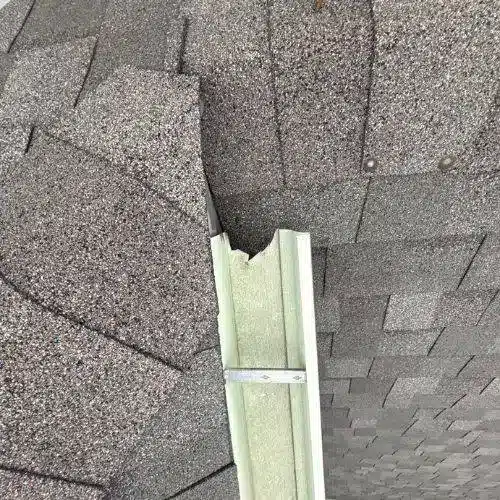
Nebraska’s climate creates a perfect storm for winter roof damage, driven by extreme weather patterns and rapid temperature changes. Homes are often exposed to fluctuating conditions within the same day, which puts constant stress on roofing materials. Over time, these repeated shifts weaken shingles, flashing, and roof decking, especially on older roofs or those with pre-existing wear.
Several key factors make Nebraska winters particularly demanding on residential roofs:
- Fast temperature drops: Sudden swings from above-freezing daytime temperatures to overnight freezes accelerate freeze-thaw cycles and material fatigue. According to the National Weather Service, Nebraska frequently experiences rapid temperature changes that accelerate roofing wear.
- Strong winter winds: Persistent winds can lift or loosen shingles, exposing vulnerable areas to moisture intrusion.
- Heavy snowfall: Accumulated snow adds weight to the roof and increases the risk of ice dams, especially when combined with poor attic insulation or ventilation.
Together, these conditions make winter one of the most critical seasons for roof performance in Nebraska homes. The Asphalt Roofing Manufacturers Association also notes that cold-weather brittleness increases the risk of shingle failure during the winter months.
How to Spot Cold Weather Roof Damage Early
Catching problems early can prevent major repairs. Watch for:
- Icicles or ice dams along the roof edges
- Missing, cracked, or curling shingles
- Water stains on ceilings or walls
- Drafts or uneven indoor temperatures
If you notice any of these signs, a professional roof repair assessment from Anchor Roofing can determine whether winter conditions have compromised your roof.
Preventative Maintenance for Omaha Homeowners
Proactive care helps reduce cold weather roof damage in Nebraska homes.
- Clean gutters: Clear debris before winter to prevent ice dams
- Improve ventilation: Balanced intake and exhaust reduce condensation
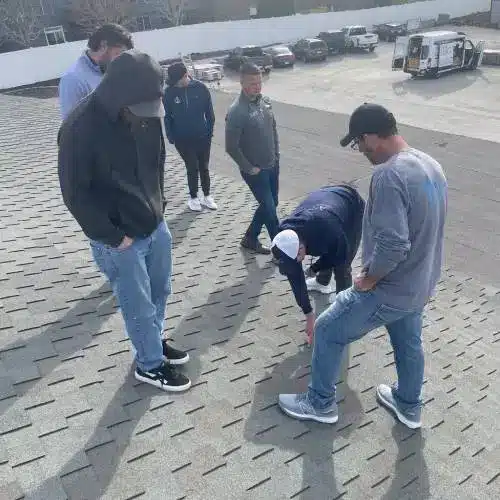
- Schedule a professional inspection: A winter or late-fall inspection identifies weak spots early
For storm-related concerns, a storm damage roof inspection can help document issues before they worsen.
Disclaimer: Anchor Roofing is not a public insurance adjuster. Your insurance provider makes insurance coverage decisions.
When Winter Roof Damage Becomes an Emergency
Winter roof damage becomes urgent when water enters your home or structural integrity is compromised. Active leaks, sagging rooflines, or interior water stains during winter should be addressed immediately to prevent further damage.
Quick action can limit repair costs and protect your Omaha home’s interior.
FAQs About Cold Weather Roof Damage in Nebraska
Can Cold Weather Alone Cause Roof Leaks?
Yes. Cold weather can damage roofing materials even without heavy snow or visible storms. As temperatures drop, shingles and flashing become more brittle and less flexible, making them more likely to crack or separate. Small gaps created during winter can allow moisture to enter the roof system, which may not show up as an active leak until temperatures warm or snow begins to melt.
Are Ice Dams Covered by Homeowners’ Insurance?
Insurance coverage for ice dams depends on your specific policy. In many cases, insurers may cover water damage caused by ice dams, such as interior ceiling stains or damaged insulation, but not the ice dam itself. Because policies vary, homeowners should review their coverage carefully and document any visible damage early. A professional inspection can help identify issues before they lead to insurance claims.
Should I Replace My Roof During Winter?
In some situations, yes. While spring and fall are ideal for full roof replacements, emergency repairs or partial replacements can safely be completed during winter when conditions allow. Ignoring active leaks or structural issues during cold weather can lead to more extensive damage. A professional roofer can determine whether immediate repairs are necessary or if the problem can wait until warmer weather.
How Often Should Nebraska Homeowners Inspect Their Roof?
Homeowners should schedule a professional roof inspection at least once per year. In Nebraska, it’s also smart to have inspections after significant weather events such as hailstorms, high winds, or harsh winters. Regular inspections help catch minor issues early, reduce long-term repair costs, and extend your roof’s lifespan.
Can Poor Attic Ventilation Make Winter Roof Problems Worse?
Yes. Inadequate ventilation allows warm, moist air to build up in the attic during winter. This can lead to condensation, mold growth, and ice dam formation. Proper ventilation helps regulate attic temperatures, protects roofing materials, and reduces moisture-related damage throughout the winter season.
Schedule a Winter Roof Inspection in Omaha
If you’re concerned about cold-weather roof damage in Nebraska, a professional inspection can provide peace of mind. Our team offers transparent communication, honest assessments, and a white-glove customer experience from start to finish.
Learn more about our team or contact us online to schedule a winter roof inspection in Omaha today.