
What Are the Most Common Siding Problems?
Cracks, fading, mold growth, loose panels, and hidden water damage are all common siding problems that homeowners may encounter. These issues may be addressed through siding repair, but may require a full siding replacement if damage is severe.
How Homeowners Can Address Common Siding Issues
Your siding should protect your home—not cause headaches. Even durable siding materials need attention over time, especially in Omaha, where hail, strong winds, moisture, and temperature swings can take a toll on your home’s exterior.
The right solution depends on the siding material, the extent of the damage, and whether moisture has reached the structure beneath it. At Anchor Roofing, we’ve put together a full guide breaking down the top siding issues and how homeowners can fix or prevent them.
1. Cracking, Warping, or Buckling
Siding panels can crack, warp, or buckle for several reasons, including storm impacts, temperature changes, improper installation, and moisture exposure. Vinyl siding naturally expands and contracts with temperature changes, so panels installed too tightly may buckle when the weather warms up. Cracks can also develop after hail or other impacts.
How to fix it: A damaged panel may be replaceable without removing the siding across an entire wall. However, widespread warping or recurring buckling may indicate installation problems or underlying moisture issues that need a closer look. Avoid forcing panels back into place without identifying the cause.
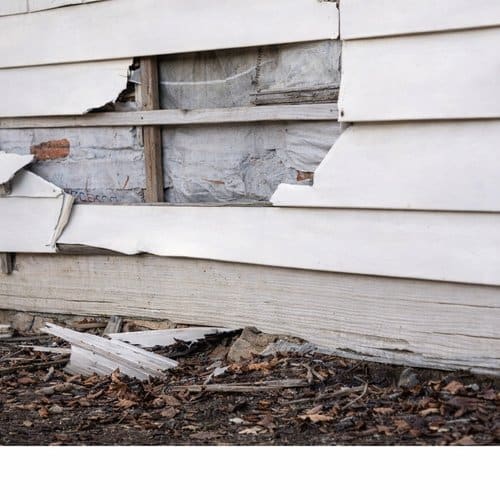
2. Fading and Discoloration
Sunlight and weather gradually affect siding’s appearance. Some materials lose color more noticeably than others, particularly vinyl compared to fiber cement siding, while painted siding may peel or become discolored as its finish ages. Uneven fading can also become apparent when one side of the house receives more direct sunlight.
How to fix it: Depending on the material, cleaning or repainting may improve the appearance. If the siding is otherwise in good condition, fading alone doesn’t necessarily justify replacement.
However, widespread discoloration combined with cracking, brittleness, or other deterioration may indicate that the siding is nearing the end of its useful life.
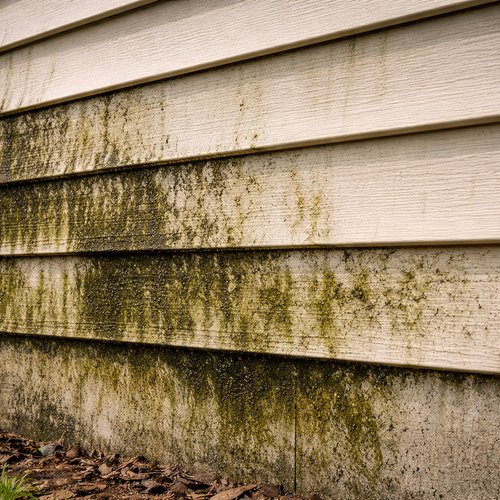
3. Mold, Mildew, or Algae Growth
Dark spots, green patches, and surface discoloration may indicate mold, mildew, or algae. These growths often develop in damp, shaded areas, particularly where vegetation limits airflow or gutters allow water to run down the siding.
How to fix it: Start by identifying the source of excess moisture. Clean the affected area using a method appropriate for your siding material, following the manufacturer’s instructions. Trim back overgrown plants, keep gutters clear, and check for leaking downspouts or other drainage problems.
Do not simply blast your siding with a pressure washer to remove mold or mildew. This can damage siding finishes, force moisture behind panels, and contribute to water intrusion. For routine cleaning, a garden hose, an appropriate cleaning solution, and a soft brush are often safer choices.
4. Pest Damage
Wood and some engineered wood siding can be vulnerable to insects, while gaps or damaged panels may create entry points for pests. Termites and carpenter ants can damage wood components, particularly when moisture is present. Even siding materials that resist pests can develop openings around joints, trim, and penetrations.
How to fix it: Repair damaged siding and seal appropriate gaps around windows, doors, and utility penetrations with compatible materials. If you suspect an active infestation, have a pest-control professional identify and address the source before repairing the exterior.
Unfortunately, replacing visibly damaged siding may not be enough to resolve an underlying infestation.
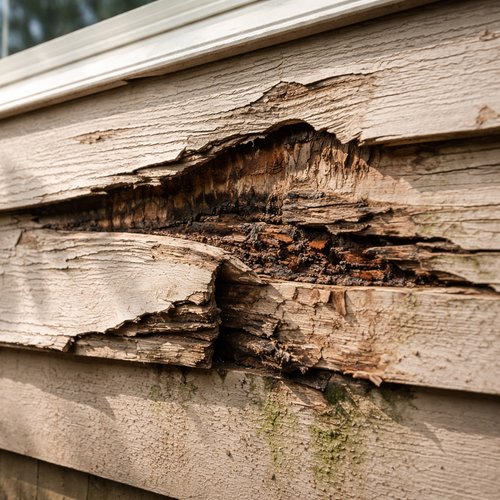
5. Water Infiltration and Rot
Siding helps shield your home’s exterior walls from the elements, but it isn’t the only layer responsible for keeping water out. Damaged panels, failed caulking, poorly flashed windows, and improperly installed trim can allow moisture to reach the sheathing or framing beneath the siding.
Warning signs include peeling paint, swollen or soft wood, persistent musty odors, interior water stains, and siding that feels spongy or separates from the wall.
How to fix it: Address the source of the water intrusion first. Depending on the damage, repairs may involve replacing siding, correcting flashing or drainage details, and repairing deteriorated materials underneath. Simply covering the affected area can trap moisture and allow damage to continue.
Because some water damage develops out of sight, unexplained or recurring moisture problems warrant a professional inspection.
6. Loose or Missing Siding After a Storm
Strong winds can loosen siding panels, while hail can crack or puncture certain materials. After severe weather, you may notice panels that rattle, sections that have pulled away from the wall, or pieces of siding lying around your property.
How to fix it: Have loose or missing panels inspected and secured or replaced as appropriate. A contractor should also check nearby siding, trim, and areas where water could enter. Matching replacement panels may be possible, although older siding colors and profiles can be difficult to reproduce exactly.
When Should You Repair or Replace Your Siding?
Not every siding problem calls for a full replacement. If damage is limited to a few panels and the surrounding material remains in good condition, targeted repairs may be the most practical option.
Siding replacement may make more sense when damage is widespread, siding repeatedly fails, moisture has affected underlying materials, or ongoing repairs have become less cost-effective. The siding’s age, availability of matching materials, and maintenance requirements also factor into the decision.
At Anchor Roofing, we inspect the affected areas and explain available options so homeowners can make an informed decision. Our ultimate guide to siding types for homes can also help you compare materials if you’re considering a siding replacement.
How Can You Prevent Common Siding Problems?
Routine maintenance can help you spot small issues before they develop into expensive repairs. A few practical habits make a difference:
- Inspect your siding regularly. Look for cracks, loose panels, fading, gaps, and signs of moisture damage, especially after severe weather.
- Keep gutters and downspouts clear. Make sure roof runoff drains away from siding and the foundation instead of spilling over exterior walls.
- Trim vegetation. Keep shrubs and branches from rubbing against siding or restricting airflow around damp areas.
- Check sealants and trim. Look for deteriorated caulking where it is appropriate and gaps around windows, doors, and exterior penetrations.
- Clean siding carefully. Use a cleaning method suitable for the material and follow manufacturer guidance. Avoid assuming that a pressure washer is safe for every siding type.
FAQs About Common Siding Problems
Can damaged siding cause leaks inside my home?
Yes. Cracked, loose, or improperly installed siding can allow water to reach the layers beneath it. Damage around windows, doors, and trim can also contribute to leaks. The visible siding may not be the only part that needs repair.
Does hail damage siding even if it doesn’t leave a hole?
Yes. Hail can crack, chip, dent, or otherwise damage siding depending on the material and the severity of the impact. Some damage may be difficult to identify from the ground, so an inspection can help determine whether repairs are needed.
How often should I inspect my home’s siding?
Check your siding at least a couple of times a year and after significant storms. Pay particular attention to loose panels, new cracks, damaged trim, and areas where water tends to collect.
Keep Your Siding in Good Condition With Anchor Roofing
Your home’s siding plays an important role in protecting the exterior, managing moisture, and maintaining curb appeal. Addressing cracks, loose panels, and drainage problems early can help prevent more extensive damage, while a professional inspection can clarify when repairs or replacement make the most sense.
At Anchor Roofing, we help Omaha homeowners understand their siding’s condition and choose practical solutions for their homes. If you’ve noticed storm damage, moisture problems, or siding that’s showing its age, contact us to discuss your options.