
What Are the Top Siding Materials for Harsh Nebraska Conditions?
When Nebraska weather puts your home to the test, the choice of siding matters. From freezing winters to hail-filled summers, homeowners need materials that can withstand extreme conditions. At the start of any siding decision, many Omaha homeowners turn to Anchor Roofing as their go-to siding contractor because of the guidance and education on the best siding options that will protect their home and stay within budget.
If you’re looking for the best siding Nebraska homeowners can rely on, these materials consistently perform well in challenging conditions:
- Hardie® fiber cement siding: Excellent resistance to wind, hail, moisture, and fire
- Engineered wood siding: Strong impact resistance with a warmer, natural look
- Vinyl siding: Affordable and low-maintenance, but less durable in extreme cold
- Steel or metal siding: Extremely durable and long-lasting, with a higher upfront cost
Each option has strengths, but climate performance should always guide the final decision. In this blog we will share all kinds of info with you but you can always check out our siding installation page for more info on our siding services.
What Makes Nebraska’s Climate Hard on Siding?
Nebraska’s weather isn’t just unpredictable, it’s demanding. Homes in Omaha face repeated seasonal stress that can shorten the lifespan of siding if the wrong material is chosen.
What Happens to Siding During Freeze-Thaw Cycles?
Freeze-thaw cycles are one of the most damaging forces for siding in Nebraska. During the day, snow and ice can melt, allowing water to seep into tiny cracks, seams, or nail holes. When temperatures drop again overnight, that trapped moisture freezes and expands. Over time, this repeated movement can cause siding to crack, warp, loosen, or pull away from the home.
Lower-quality or aging materials are especially vulnerable. Even small gaps can grow larger over multiple winters, increasing the risk that moisture reaches the wall system beneath. That’s why siding materials that resist water absorption and maintain their shape in extreme cold tend to perform better in Nebraska’s climate.
How Do High Winds and Tornado Activity Affect Siding?
Nebraska is no stranger to strong winds, especially during spring and summer storms. High winds place constant stress on siding panels and fasteners, particularly on corners, eaves, and upper stories. Over time, this pressure can cause panels to shift, bow, or loosen, making them more likely to fail during significant weather events.
In severe storms or tornado conditions, lightweight siding materials are more likely to tear away completely. Heavier, properly installed siding offers better wind resistance and helps protect the structure beneath. Homes in open areas or in newer developments without windbreaks often benefit most from siding designed to withstand high wind loads.
Why Is Hail Such a Big Concern for Nebraska Homes?
Hailstorms are among the leading causes of exterior damage to Nebraska homes. Even small hailstones can crack brittle siding, while larger hail can dent, chip, or puncture materials on impact. Repeated hail events weaken siding over time, even if damage isn’t immediately visible.
Some materials handle hail better than others. Thicker siding with higher impact resistance is less likely to crack or break, helping prevent water intrusion after a storm. Choosing siding that performs well in hail-prone areas can reduce repair needs and help preserve your home’s exterior integrity.
Disclaimer: Anchor Roofing is not an insurance adjuster. Licensed professionals should always handle damage assessments for insurance purposes.
How Does UV Exposure and Summer Heat Impact Siding?
While Nebraska winters get most of the attention, summer heat and sunlight also take a toll on siding. Long periods of UV exposure can cause materials to fade, dry out, or become brittle over time. When combined with rapid temperature changes between day and night, siding can expand and contract repeatedly.
This constant movement can lead to warping, gaps, and color inconsistencies, especially in lower-quality products. Siding materials designed to tolerate UV exposure and temperature swings are better equipped to maintain their appearance and performance year after year, even through Nebraska’s wide seasonal shifts.
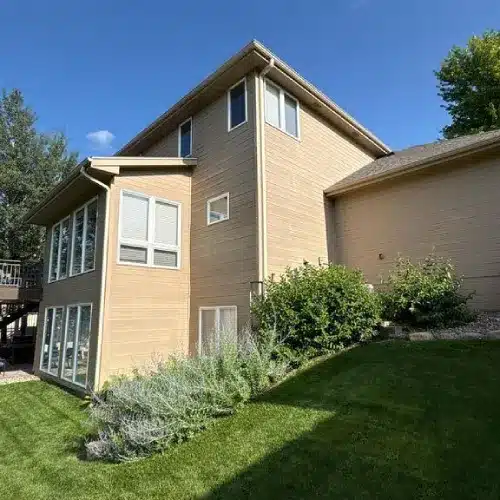
Hardie Fiber Cement Siding: Built for Extreme Weather
Hardie-style fiber cement siding is engineered specifically for climates with large temperature swings, making it well-suited for regions like eastern Nebraska, where homes experience freezing winters, hot summers, and sudden weather changes. Unlike lighter materials, fiber cement is designed to hold its shape and strength as temperatures rise and fall, helping reduce cracking, warping, and long-term wear caused by seasonal stress.
Key performance benefits include:
- Fire resistance, which adds an extra layer of protection and peace of mind for homeowners, especially in dry or windy conditions, where fire spread can be a concern
- Moisture resistance, helping prevent swelling, rot, and mold growth even during snowmelt, heavy rain, or prolonged humidity
- Wind and hail resilience, thanks to its dense composition, which makes it far less likely to crack, dent, or detach during severe storms
According to the James Hardie product specifications, fiber cement siding is engineered to withstand wind-driven rain, freeze-thaw cycles, and extreme temperature fluctuations. This durability is why many homeowners view fiber cement as a long-term siding solution that performs reliably year after year in Nebraska’s demanding climate.
Engineered Wood Siding: Strong and Versatile
Engineered wood siding blends real wood fibers with advanced binding resins to create a product that offers a strong balance of durability and visual appeal. Unlike traditional wood siding, engineered wood is manufactured to improve consistency, reduce weak points, and better withstand changing weather conditions. This makes it a popular option for homeowners who want the look of wood without some of the long-term vulnerabilities.
Why homeowners choose engineered wood:
- Warm, natural aesthetic that complements many Omaha neighborhoods, including older homes and established communities
- Improved impact resistance compared to traditional timber, helping reduce damage from moderate hail and wind-driven debris
- Factory-applied moisture sealing treatments that help protect against swelling, rot, and moisture intrusion
When properly installed and maintained, engineered wood siding can perform well in Nebraska’s climate. Regular inspections, occasional repainting, and prompt repairs help extend its lifespan. For homeowners who value classic curb appeal with modern performance improvements, engineered wood offers a dependable and attractive siding solution.
Vinyl Siding: Budget-Friendly but Not the Most Durable
Vinyl siding remains a common choice due to its affordability and ease of care.
Important considerations include:
- Performs well for the cost, especially for short-term ownership
- Can crack in extreme cold, which is common during Nebraska winters
- Limited hail resistance compared to thicker materials
For homeowners prioritizing long-term durability over upfront savings, vinyl may not always be the best siding Nebraska weather demands.
The U.S. Department of Energy notes that siding durability plays a role in overall exterior performance and energy efficiency, especially in climates with temperature extremes.
How to Choose the Best Siding for Your Omaha Home
No single material is right for every home. The best choice depends on several practical factors:
- Budget: Balance upfront cost with lifespan and repair risk
- Neighborhood architectural style: Historic areas may favor wood-look options
- Weather exposure: Open areas face more wind and hail
- Long-term maintenance expectations: Some materials need more upkeep
Many homeowners also consult our team to learn more about us while determining which siding materials best align with their goals and the specific Omaha neighborhood.
FAQs About the Best Siding Nebraska Homes Can Use
What Siding Lasts the Longest in Nebraska Weather?
In Nebraska’s climate, siding materials need to handle freezing temperatures, high winds, hail, and summer heat year after year. Fiber cement and steel siding typically last the longest because they are dense, impact-resistant, and less affected by moisture or temperature swings. When installed correctly and maintained as recommended, these materials can last 30 to 50 years or more, making them a substantial long-term investment for Omaha homeowners.
Is Fiber Cement Siding Worth the Cost?
Can Siding Help Protect Against Hail Damage?
Siding plays a significant role in how well your home handles hail, but no material is completely hail-proof. Thicker, impact-rated options such as fiber cement, engineered wood, and metal siding tend to perform much better than lightweight materials. These products are less likely to crack or puncture during moderate hailstorms, helping protect the wall system below and limiting water intrusion after a storm.
How Often Does Siding Need to be Replaced in Omaha?
Replacement timelines vary based on material quality, installation, and exposure to weather. Vinyl siding may last 20 to 30 years, while engineered wood and fiber cement can last significantly longer with proper maintenance. Homes exposed to open winds or frequent hail may see wear sooner. Regular inspections help catch minor issues early and extend the life of your siding, regardless of material.
Does Siding Choice Affect Home Value?
Yes, siding can have a noticeable impact on both curb appeal and resale value. Durable, low-maintenance siding signals to buyers that the home has been well cared for and is better prepared for Nebraska’s weather. Materials such as fiber cement and engineered wood are often considered upgrades because they balance appearance with long-term performance. Choosing the right siding can make your home more attractive to future buyers while improving comfort today.
Schedule a Siding Consultation for Your Omaha Home
Choosing the best siding Nebraska weather can handle is a long-term decision. Professional guidance helps ensure that the material, installation, and maintenance plans all work together.
If you’re ready to explore your options, contact Anchor Roofing online to schedule a siding consultation and get expert recommendations tailored to your Omaha home.