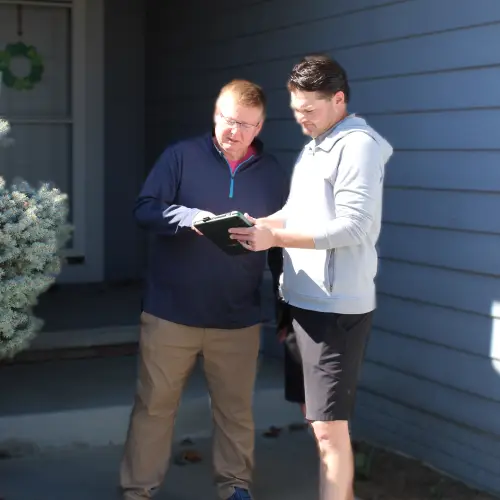
Most roof warranties last 10–30 years, depending on the type, with workmanship warranties covering labor and manufacturer warranties covering materials.
How Long Does the Average Roof Warranty Last?
On average, a workmanship warranty for a roof lasts around 1–10 years, while the typical manufacturer warranty lasts anywhere from 10 to 30 years. Some warranties, such as a limited lifetime warranty, may be good for even longer—often up to 50 years. With such broad ranges, many homeowners are left scratching their heads about what coverage they can expect for their roof. As Omaha’s leading roofing experts, our team at Anchor Roofing has put together a complete guide to roof warranties, breaking down each type, sharing average term lengths, and offering tips on how to get the most from your warranty.What Types of Roof Warranties Are Available?
The biggest factor determining the length of a roof warranty is the type of warranty it is. Here are the most common types homeowners will likely encounter:Workmanship Warranty
Most reputable roofing contractors will provide a warranty for their work, called a “workmanship warranty.” This warranty guarantees the installation quality of your roof and protects you against errors. Most workmanship warranties range from 1 to 5 years, some for up to 10 years. If a leak or problem occurs during this warranty period as a result of poor installation, your roofer should fix it at no cost.Material/Product Warranty
This warranty comes from the roofing material manufacturer and covers defects in the shingles or other roofing products. Leading roofing manufacturers such as GAF, Owens Corning, and CertainTeed regularly provide some level of coverage for their products. The length depends on the brand and the product line, with most lasting 10 to 30 years. However, this warranty usually covers materials only, not labor or installation errors. Check out this GAF residential roof warranty comparison guide.Extended or “Lifetime” Warranties
Some roofing systems include an extended or lifetime warranty, especially when installed by a certified contractor. These warranties may offer non-prorated coverage for a certain number of years, then switch to prorated coverage (where the reimbursement value decreases over time). Always review the fine print to understand how “lifetime” is defined. It doesn’t always mean forever, and more commonly covers materials for 20–50 years.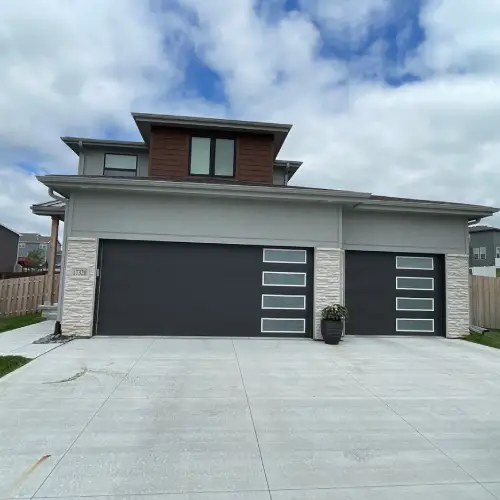
What Factors Affect How Long a Roof Warranty Lasts?
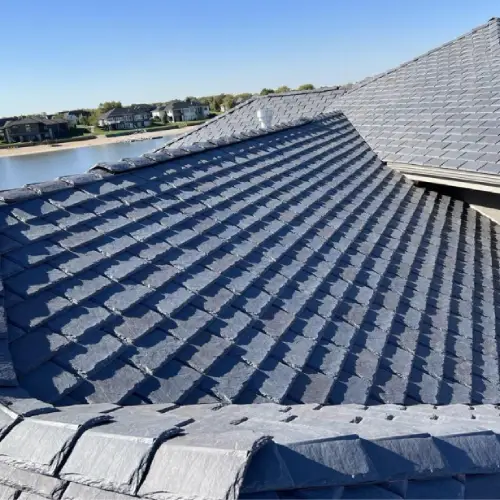
If your roof is covered by a material or product warranty, there are typically a few factors that determine the maximum length. For instance, most manufacturers have different levels of certifications that enable partnering roofers to provide varying tiers of warranties. Here are some of the most common factors that influence warranty duration:- Roofing material: Asphalt shingles often come with shorter warranties compared to metal or tile roofing.
- Contractor certification: Manufacturers offer enhanced warranties when a certified roofer installs the roof.
- Climate and maintenance: Omaha’s hot summers and cold winters can impact longevity, so regular roof maintenance helps preserve your warranty coverage.
- Registration requirements: Some manufacturers require homeowners to register the warranty after installation. Failing to do so could limit your coverage.
How Long Do Roofers Guarantee Their Work?
Most roofing contractors offer workmanship guarantees lasting 1 to 10 years. The exact length depends on the roofer. A solid workmanship warranty is often more valuable than the material warranty, since most roofing issues stem from installation errors rather than manufacturing defects. However, longer is not always better. It’s difficult to trace roofing issues back to installation 10 years later, and some roofers may only offer this long of a workmanship warranty as a way to entice customers. Typically, 3–5 years is a good mark for homeowners to look for.Know the Terms: Don’t Void Your Roof Warranty
Some folks assume that if their roof has a warranty for a certain period, their roof will be covered no matter what. However, most roof warranties include various stipulations and requirements to stay in compliance. Here are some common examples.Using the Right Materials
Some material warranties include a clause that states the entire roofing system must use products from that manufacturer. If you repair your roof with a product from another manufacturer, your warranty may become void.Regular Maintenance
It’s also common for roof warranties to require regular maintenance and upkeep. If your roof fails before the warranty has ended, but it’s determined that the roof was damaged due to poor maintenance or negligence, your warranty likely won’t cover a replacement.No DIY Repairs
Most manufacturers include a stipulation that your roof be repaired by a certified or licensed roofing contractor. This means DIY repairs can void your warranty. To avoid problems like this, read through the details of your warranty and take note of any key items that may void the warranty. Better yet, ask a trusted roofer to help you fully understand the terms of your roof warranty to avoid future issues.How to Choose the Best Roof Warranty for Your Home
Not all warranties are created equal. When comparing roofing warranties:- Compare coverage, not just length. A 30-year warranty with full coverage is often better than a 50-year prorated one.
- Ask about transferability. A transferable warranty adds resale value if you plan to sell your home.
- Choose a certified installer. Many extended warranties are only valid when the roof is installed by a manufacturer-certified contractor.
Anchor Roofing Protects Your Roof for the Long Term
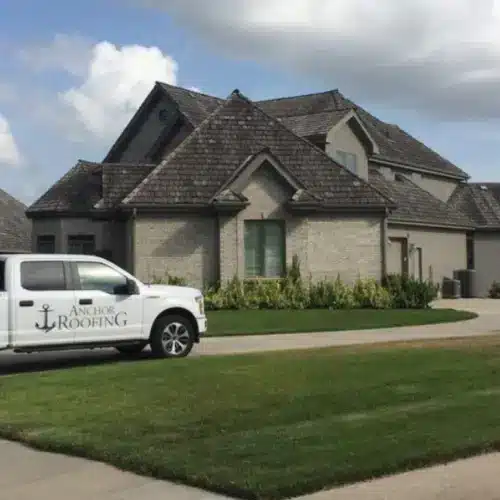
Anchor Roofing has been building and restoring roofs across Omaha since 2001, with full licensing, insurance, and manufacturer certifications. At Anchor Roofing, our goal is to provide homeowners with long-lasting roofing solutions. That means building a roof designed to last for decades—and standing behind our work with strong guarantees. We offer a workmanship warranty on our labor and also have certifications from top roofing manufacturers to further protect the roofs we install. Already have a roof warranty? We’re happy to review the terms with you to help determine if you can expect any coverage should a replacement become necessary. Reach out to Anchor Roofing today to experience the best Omaha roofing can be.